


While smoking cannabis is the most common method for using the drug, as highlighted above, cannabis smoke contains harmful compounds and is linked to respiratory problems. In his experience, Dr. Tishler says, vaporizing devices with controllable heat settings that warm, but do not burn, dry cannabis or cannabis concentrates are the safest way to use inhaled products. He also advises avoiding products containing more than 20 percent THC. “Above that, the THC becomes such a great percentage that we’re not getting the whole plant benefit,” says Dr. Tishler.
- Cell membranes across tissues—neuronal, enteric, immune, and epithelial—are now built from a fundamentally different lipid substrate than the one under which human physiology evolved.
- The only true cure for CHS is abstaining from cannabis—if you don’t consume it, it can’t make you sick.
- Without it, signaling domains cannot properly segregate or regulate channel behavior.
- Cannabinoid receptor type 1 (CB1R) is a G protein-coupled receptor (GPCR) primarily expressed in the central nervous system but also found in peripheral tissues.
Vaping with nicotine can be used to stop smoking, but there are risks.

In rodents, indirect measures such as taste aversion and facial expressions are identified to confirm the anti-emetic properties of cannabinoids 18. Cannabinoid hyperemesis syndrome (CHS) can affect people who use cannabis (marijuana) long-term. Cancer patients in Minnesota’s medical cannabis program showed significant improvement across ALL 8 symptoms tracked—anxiety, appetite, depression, sleep, fatigue, nausea, pain, and vomiting—within 4 months. In omega-6–enriched membranes, ligand-gated ion channels—particularly the serotonin 5-HT₃ receptor—become uniquely vulnerable to instability. THC, a highly lipophilic molecule, primarily interacts with biological systems through membrane intercalation rather than direct receptor agonism.
If you have prolonged nausea and vomiting, you may need medication or intravenous fluids to help you recover and feel better. Carnett’s sign refers to pain elicited by tensing the abdominal muscles or performing a straight leg raise. Lidocaine patches have been proposed as a means to relax the rectus muscle, potentially alleviating abdominal pain during acute flares 91.
A Comprehensive Review and Update on Cannabis Hyperemesis Syndrome
This process occurs prior to and independently of receptor binding. The membrane is not simply the setting in which THC acts—it is the first structure THC encounters and modifies. This threshold model explains why membrane-driven syndromes often appear suddenly after long periods of apparent tolerance, and why symptoms can be severe despite the absence of gross structural damage. The system does not fail because it is weak, but because it has lost the physical margin required to absorb perturbations. Membrane degradation does not produce immediate or binary failure. Instead, dysfunction accumulates gradually as structural and electrical buffering capacity erodes.
What is cannabinoid hyperemesis syndrome?
That may be why long-term, heavy use of cannabis sometimes leads to a condition called Cannabinoid hyperemesis syndrome (CHS), which causes repeated, severe episodes of nausea, vomiting, and stomach pain. The statements made regarding cannabis products on this website have not been evaluated by the Food and Drug Administration (FDA). Cannabis is not an FDA-approved substance and is still illegal under federal law. The information provided on this website is intended for educational purposes only and is not intended to diagnose, treat, cure, or prevent any disease. It is not intended as medical advice and should not be considered as a substitute for advice from a https://www.autentica.com.mx/a-letter-to-your-future-self-from-the-ugly-truth/ healthcare professional. We strongly recommend that you consult with a physician or other qualified healthcare provider before using any cannabis products.
Researchers Suggest The Same Genetic Variations May Cause Other Health Issues
In addition to the more specific treatments for CHS, the review looked at different strategies for using ondansetron, promethazine, metoclopramide, and dimenhydrinate. Similarly, opioids and acid suppression treatments (such as PPIs and Histamine-2-receptor antagonists) were also ineffective. Combination treatments did not work, demonstrating just how difficult CHS can treat. Appropriate investigation in the ED involves evaluation for complications and ruling out potential differentials. It is important to assess for electrolyte disturbance and acute kidney injury. Equally, ketones are a useful marker of metabolism and starvation status.
Education and awareness are vital in diagnosing and treating CHS as its Sober living house prevalence increases. This comprehensive review explores the ECS’s involvement, CHS management approaches, and knowledge gaps to enhance understanding of this syndrome. Visits and extensive recurring serum testing and imaging evaluations with increased healthcare-related costs. It is crucial to exclude other entities such as Addison’s disease, migraines, hyperemesis gravidarum, bulimia, and psychogenic vomiting, which can mimic CHS symptoms and may also occur alongside it.
Hot baths and showers
Symptoms, patients often eat well, maintain weight, and remain functional at work. The patients continue using cannabis in this phase, believing in its anti-nausea effects. A small dataset study showed five mutations with plausible etiological roles in the phenomenology of CHS symptoms and signs. These genes are COMT, transient receptor potential vanilloid receptor 1 (TRPV1), CYP2C9, the gene coding for the dopamine-2 receptor (DRD2), and the ATP-binding cassette transporter gene (ABCA1).
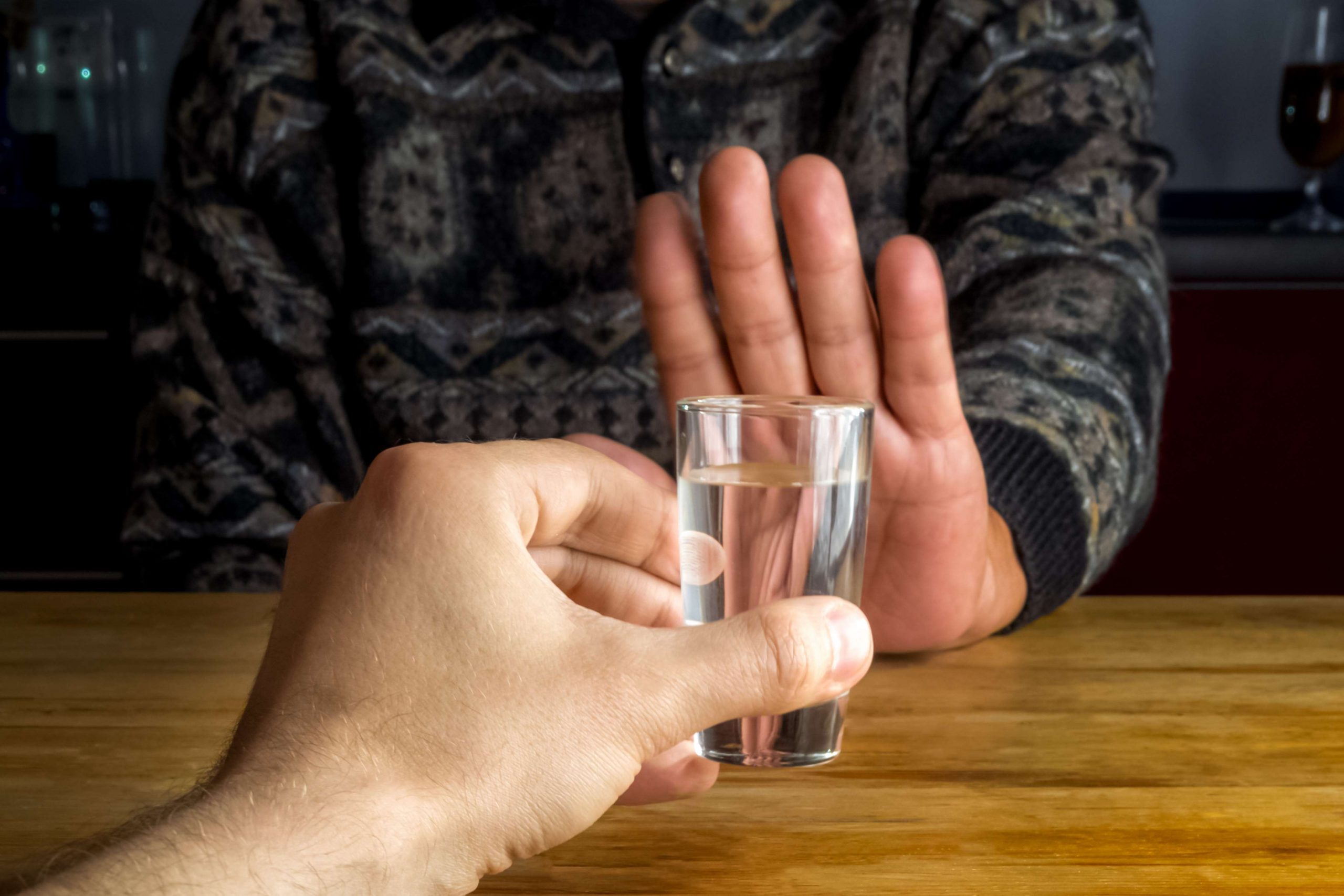
Keep reading to learn about marijuana withdrawal, cannabinoid hyperemesis syndrome and how to get help if you or a loved one is struggling. Quitting cannabis use is the only way to get better if you have CHS. Contact cannabinoid hyperemesis syndrome your health care provider if you suspect you might have CHS or for information on treatment options for cannabis use disorder. Another health risk is nicotine addiction, which can lead to alterations in adolescents’ and young adults’ brain development with impaired cognition, learning, and memory, and altered reward processing (Castro, 2023). This content represents our interpretation of published scientific research for educational purposes. It should not be used to make treatment decisions without consulting a qualified healthcare provider.

Cannabis Withdrawal Syndrome Considerations
Doxepin is generally better tolerated and is started at a dose of 10 mg. The dose can be gradually increased in 10 mg increments every 1–2 weeks until the G.I. Cardiac arrhythmias have not been observed with gradual dose titration. Abrupt cessation of cannabis use may cause catatonia from hypoactivity of GABA and dopamine D2 receptors, along with hyperactivity of the glutamate N-methyl-D-aspartate receptor 71,72.
